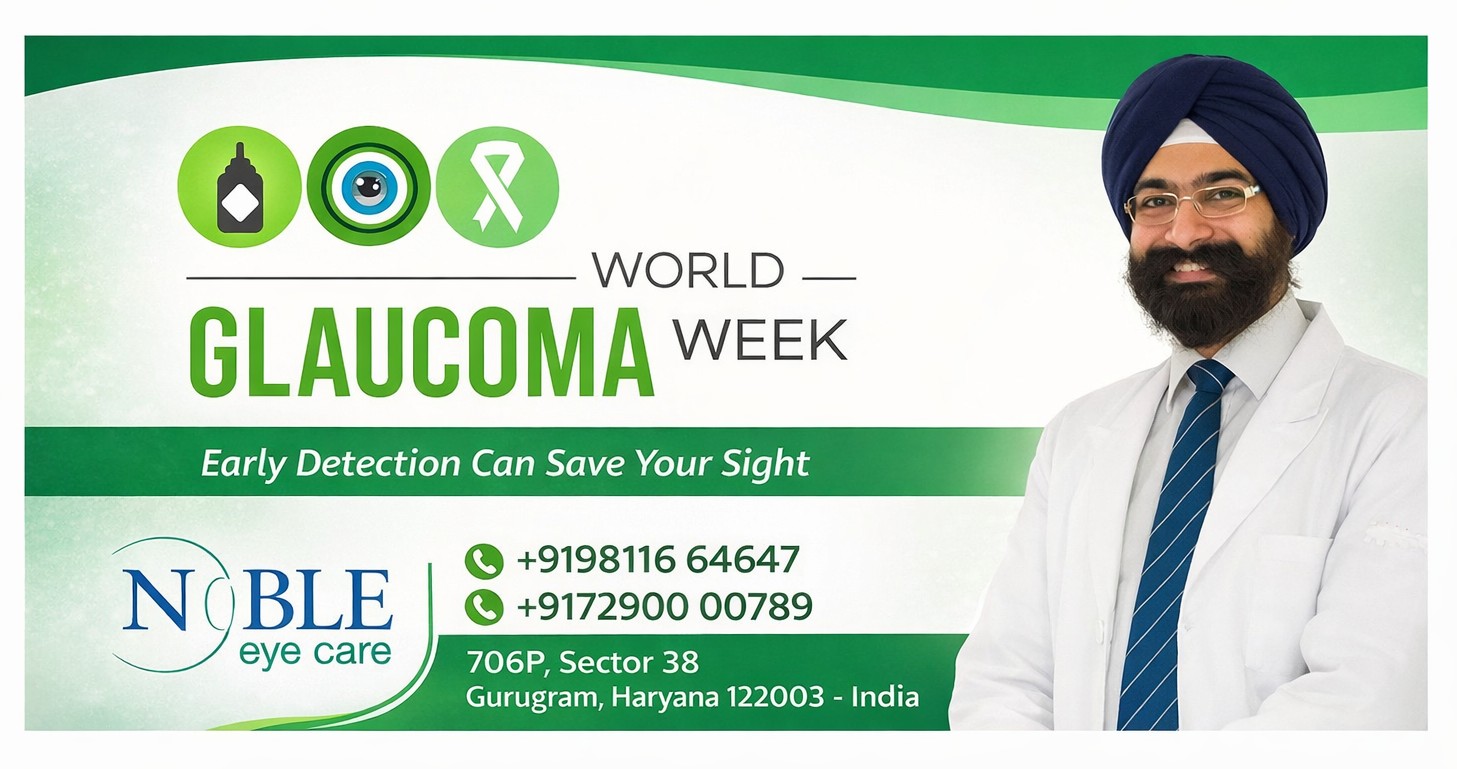
Glaucoma is one of the leading causes of irreversible blindness worldwide, yet millions of people remain unaware they have it. Every year, World Glaucoma Week is observed to raise awareness about glaucoma. This is why World Glaucoma Week plays a crucial role in spreading awareness about early detection and timely treatment.
🗓️ World Glaucoma Week is observed globally every year during the second week of March.
During this week, eye care professionals, hospitals, and communities across the world unite to educate people about glaucoma and encourage regular eye check-ups because early detection can save sight.
As a top rated eye specialist in India, Dr. Digvijay Singh emphasizes that glaucoma often develops silently, without pain or early symptoms. Many patients only realize something is wrong after permanent vision loss has already occurred. World Glaucoma Week is a reminder that regular eye check-ups are not optional, they are essential.
Table of Contents |
What Is World Glaucoma Week?
World Glaucoma Week is a global awareness initiative led by the World Glaucoma Association along with the World Glaucoma Patients Association. It is observed every year in March, bringing together doctors, hospitals, and communities to educate people about glaucoma and the importance of early diagnosis.
World Glaucoma Week 2026 – At a Glance
📅 Dates: 8 March – 14 March 2026
🌍 Observed: Worldwide
🎯 Purpose: Raise awareness about glaucoma and prevent avoidable blindness
👁️ Key Message: Early detection protects vision for life
The goal is simple:
- Increase public awareness
- Encourage routine eye examinations
- Prevent avoidable blindness
What Is Glaucoma?
Glaucoma is a group of eye conditions that damage the optic nerve, which is responsible for sending visual information from the eye to the brain. This damage is most often caused by increased pressure inside the eye (intraocular pressure).
Glaucoma is often called the “silent thief of sight” because:
- It usually has no symptoms in early stages
- Vision loss happens gradually
- Damage is permanent and irreversible
Once vision is lost due to glaucoma, it cannot be restored which makes early detection absolutely critical. Learn more here about Glaucoma.
Why World Glaucoma Week Matters
Many people living with glaucoma don’t even know they have it. By the time symptoms appear, the disease is often already advanced.
World Glaucoma Week matters because it:
- Highlights glaucoma as a major global public health issue
- Educates people about the importance of routine eye exams
- Encourages timely diagnosis and treatment
- Helps reduce preventable blindness through awareness
Common Symptoms of Glaucoma
In most cases, glaucoma shows no early warning signs. However, as the condition progresses, symptoms may include:
- Gradual loss of side (peripheral) vision
- Tunnel vision in advanced stages
- Difficulty seeing in low light
- Sudden eye pain, redness, or blurred vision (kn some types)
If you notice any vision changes, it’s important to consult an eye specialist immediately.
Who Is at Risk of Glaucoma?
Anyone can develop glaucoma, but certain factors increase risk:
- Age above 40 years
- Family history of glaucoma
- High eye pressure
- Diabetes or high blood pressure
- Long-term steroid use
- Eye injuries or previous eye surgery
If you fall into any of these categories, regular eye check-ups are essential.
Can Glaucoma Be Prevented?
Glaucoma cannot be cured, but early diagnosis and proper treatment can slow or stop vision loss.
Key Prevention & Detection Tips
- Get a comprehensive eye exam every year
- Measure eye pressure and optic nerve health
- Undergo visual field testing if advised
- Share your family medical history with your doctor
- Follow prescribed treatment strictly
How You Can Participate in World Glaucoma Week
World Glaucoma Week is not just for doctors, everyone can take part.
For Patients & Families
- Book a comprehensive eye examination
- Encourage family members, especially seniors, to get tested
- Share glaucoma awareness messages on social media
For Communities
- Participate in screening camps
- Attend educational talks and webinars
- Spread awareness in workplaces and schools
Why Early Detection Saves Vision
The biggest challenge with glaucoma is that vision loss is permanent. However, when detected early:
- Disease progression can be controlled
- Vision can be preserved for life
- Quality of life remains unaffected
Early detection turns glaucoma from a blinding disease into a manageable condition.
Frequently Asked Questions (FAQs)
Q. When is World Glaucoma Week 2026?
World Glaucoma Week 2026 will be observed from 8 March to 14 March 2026.
Q. Is glaucoma curable?
No. But early treatment can prevent further vision loss.
Q. How often should I get my eyes checked?
At least once a year, or more frequently if you are at high risk.
Q. Can young people get glaucoma?
Yes. Though more common in older adults, glaucoma can affect people of all ages.
Q. Does glaucoma cause pain?
Most types do not cause pain in early stages, which is why regular screening is crucial.
Final Message from Dr. Digvijay Singh
Dr. Digvijay Singh emphasizes three essential messages that every individual should understand about glaucoma:
1️⃣ Get a screening eye check-up if you are above 40 or at risk
If you are over the age of 40, or have risk factors such as diabetes, high eye pressure, or a family history of glaucoma, a screening eye examination is strongly recommended even if you have no symptoms.
2️⃣ Be compliant with medications and treatment
Once glaucoma is diagnosed, strict compliance with prescribed medications and treatment plans is critical. Missing medications can cause permanent and irreversible vision damage.
3️⃣ Understand that glaucoma requires lifelong follow-up
Glaucoma is a lifelong condition. Regular follow-up visits are essential to monitor eye pressure and prevent silent progression that can lead to blindness.
If it’s been more than a year since your last eye examination, this is the right time to act. 👉 Book your eye check-up today and encourage your loved ones to do the same.


![DigvijayProfile[1]](https://drdigvijaysingh.com/wp-content/uploads/2017/11/DigvijayProfile1.jpg)

Recent Comments