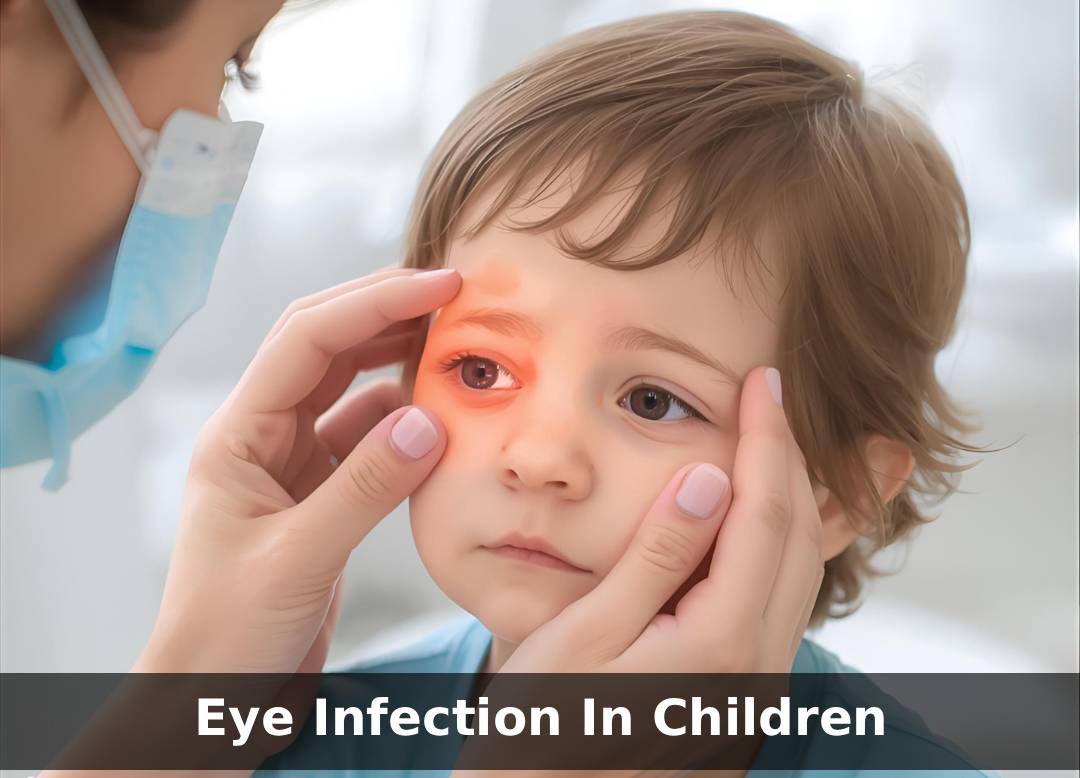
Eye infections are common in children and, in many cases, mild and short-lived. However, parents often find it difficult to tell the difference between simple eye irritation and a serious eye infection that needs medical attention. Ignoring early symptoms or delaying treatment can sometimes lead to complications that affect a child’s vision.
Children are more prone to eye infections because they frequently touch their eyes, share toys, and come into close contact with other children making it easy for bacteria and viruses to spread. While some infections resolve on their own, others require prompt treatment by a pediatric ophthalmologist.
This guide explains eye infections in children, their causes, symptoms, treatment options, safe home care measures, and warning signs that parents should never ignore.
Medical Disclaimer: This article is for educational purposes only and does not replace professional medical advice. Always consult a pediatric ophthalmologist for proper diagnosis and treatment of eye infections in children.
Table of Contents |
What Is an Eye Infection?
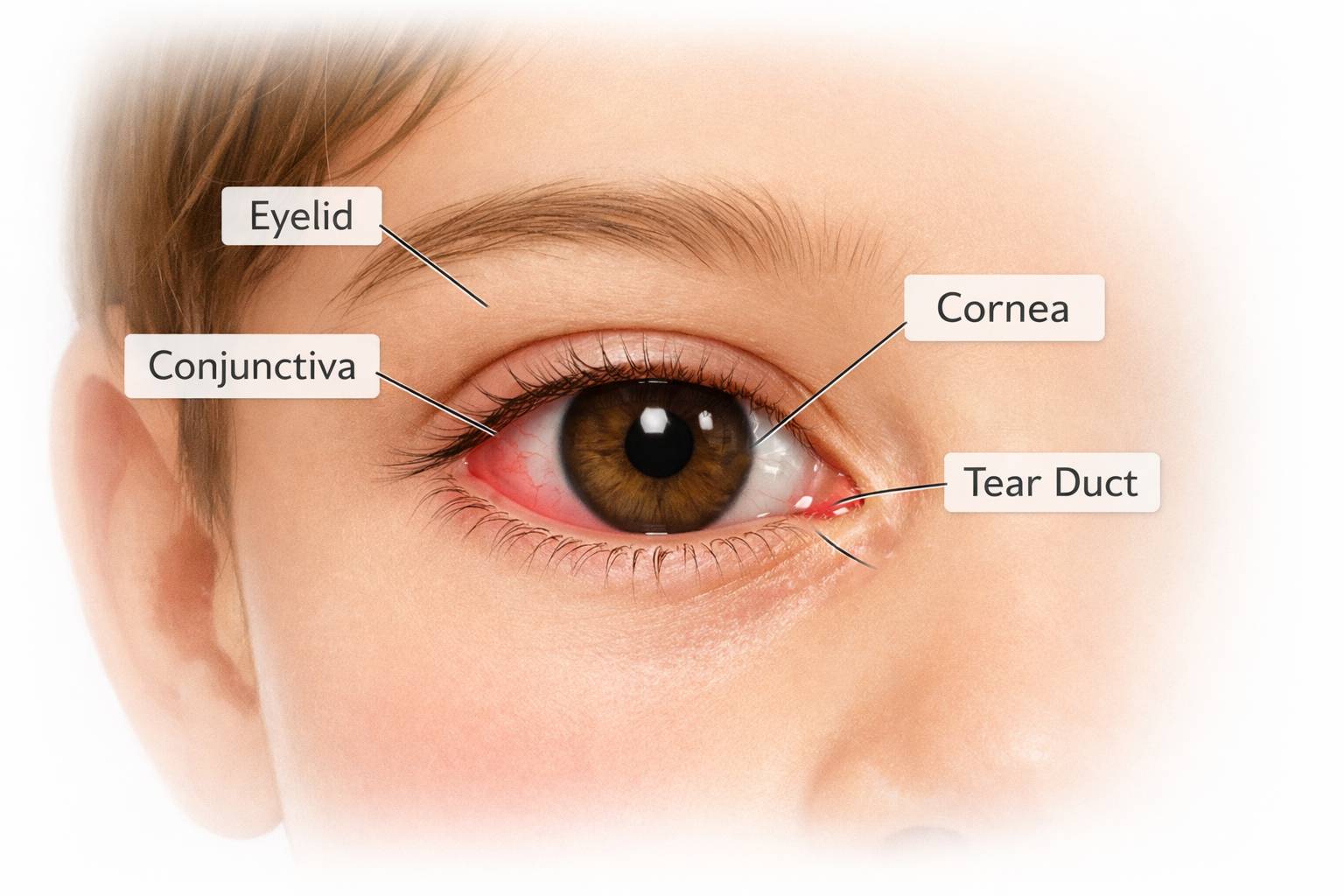
An eye infection occurs when bacteria, viruses, fungi, or allergens affect the tissues of the eye or surrounding areas. It can involve the conjunctiva (the clear membrane covering the eye), eyelids, cornea, tear ducts, or the skin around the eyes.
In children, eye infections may progress faster because their immune systems are still developing. Early recognition and timely treatment help prevent discomfort, spread to others, and potential vision problems.
Causes of Eye Infections in Children
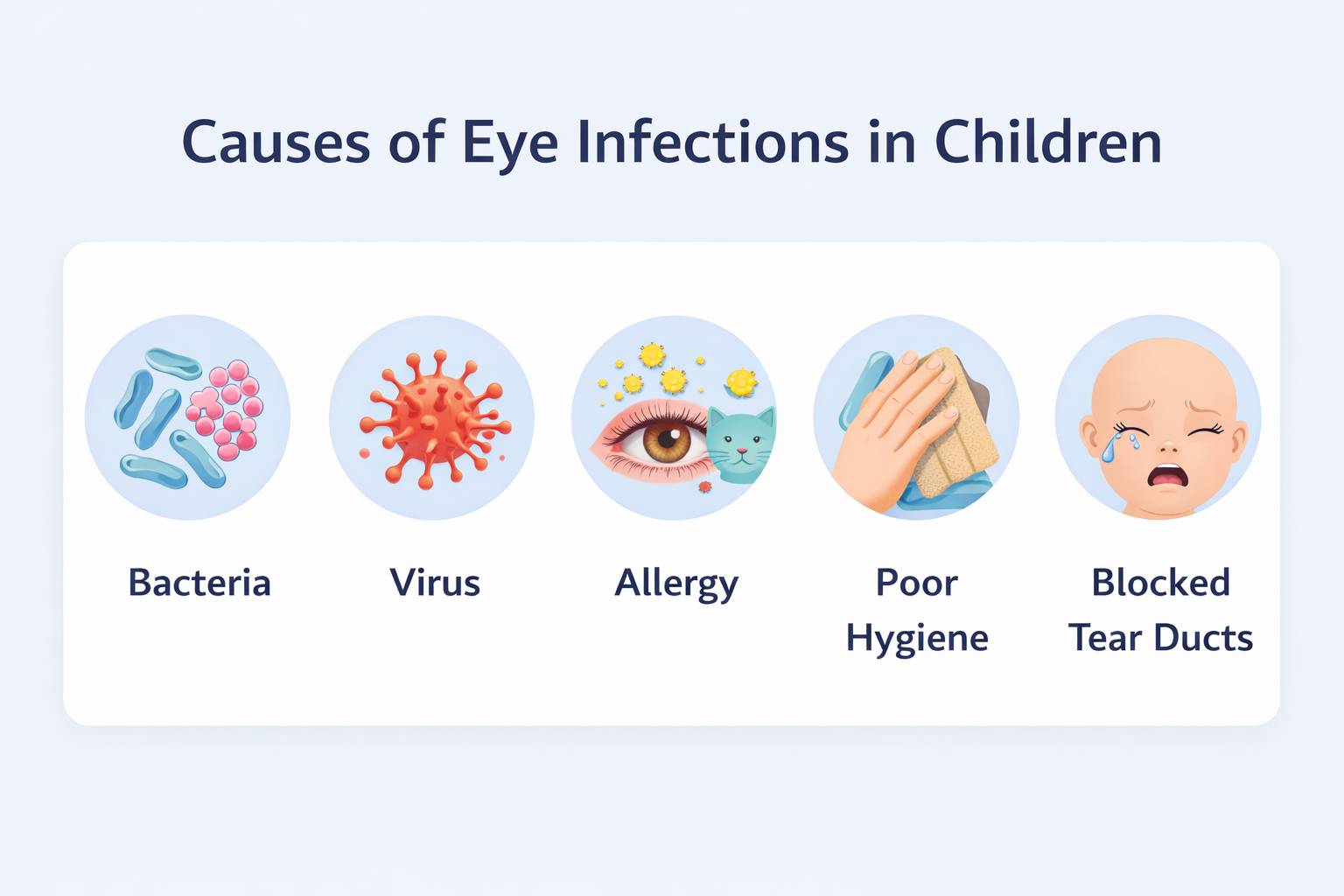
Understanding the causes can help parents reduce the risk of repeated infections.
1. Bacterial Infections
Caused by bacteria such as Staphylococcus or Streptococcus, these infections often lead to redness, swelling, pain, and yellow or green discharge that may cause the eyelids to stick together.
2. Viral Infections
Commonly caused by adenoviruses, viral eye infections often occur alongside cold or flu symptoms. They are highly contagious and spread easily in schools and daycare settings.
3. Allergies
Although allergies themselves are not infections, constant eye rubbing due to itching can introduce bacteria, leading to a secondary infection.
4. Fungal Exposure
Rare in children, fungal infections can occur due to contact with contaminated water or poor hygiene and require immediate medical care.
5. Poor Hygiene
Touching the eyes with unwashed hands, using dirty towels, or sharing personal items significantly increases infection risk.
6. Blocked Tear Ducts
Common in infants, blocked tear ducts cause excessive tearing and discharge, which can become infected if not properly managed.
Common Eye Infections in Children
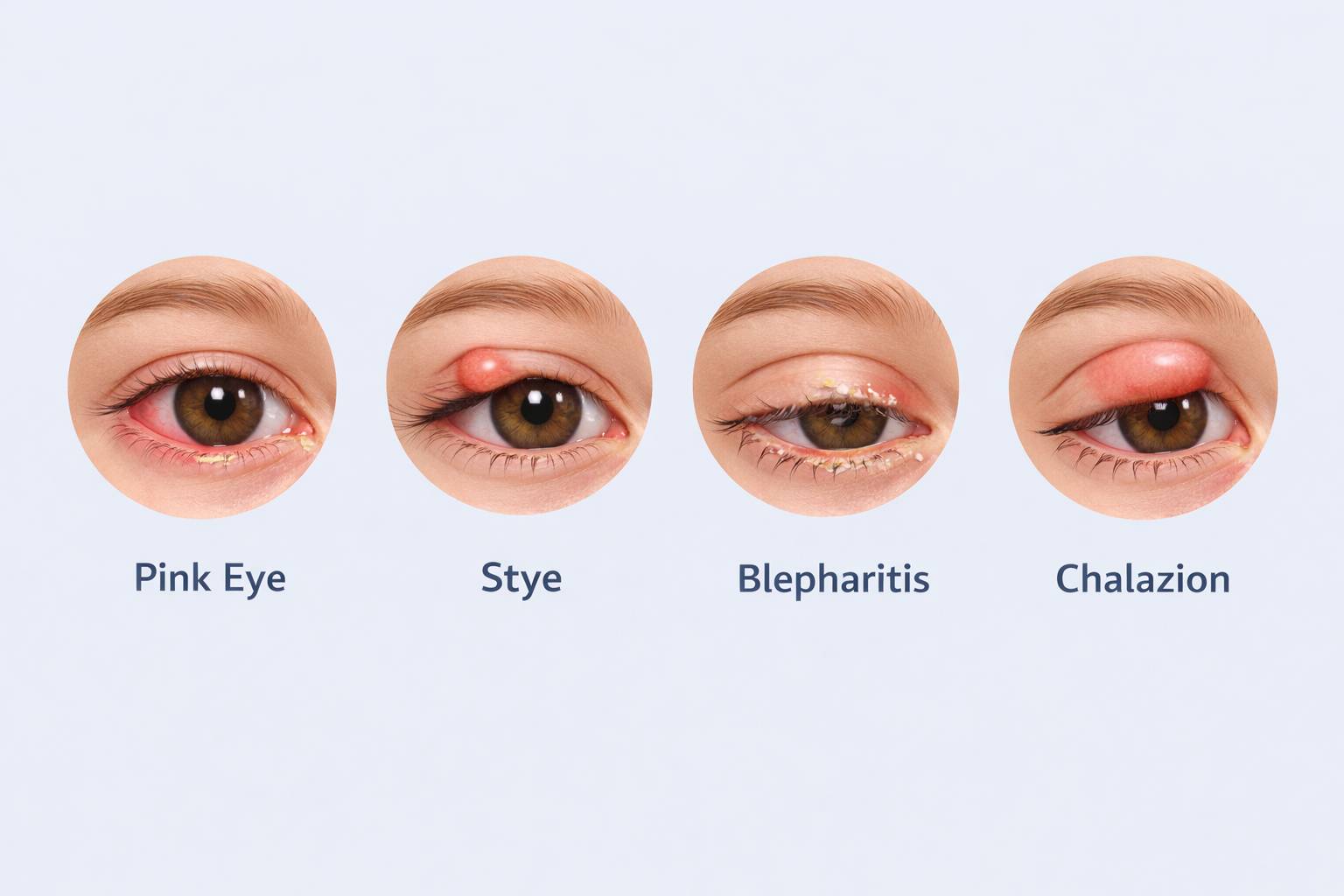
Several common eye infections affect children. The most common include:
- Conjunctivitis (Pink Eye): The most common type of eye infection. It produces redness, discharge, and crusty lashes
- Blepharitis: Infection of the eyelid margins. Symptoms include redness, itching, and swelling. As well, it may cause dry flakes of skin.
- Stye (Hordeolum): Clogging of eyelid glands that causes a painful red bump.
- Chalazion: A soft lump caused by a blocked oil gland. It is painless, but it may become serious and infected.
- Keratitis: A medical emergency that requires immediate medical treatment. It is an inflammation of the cornea and is dangerously serious.
- Eye skin infection: Cellulitis can cause swelling and tenderness around the eyes and can be clinically diagnosed as an allergy.
- Dacryocystitis: Commonly seen and diagnosed in infants, it is an infection of the tear sac due to blockage.
Warning Signs of Possible Eye Infections in Children
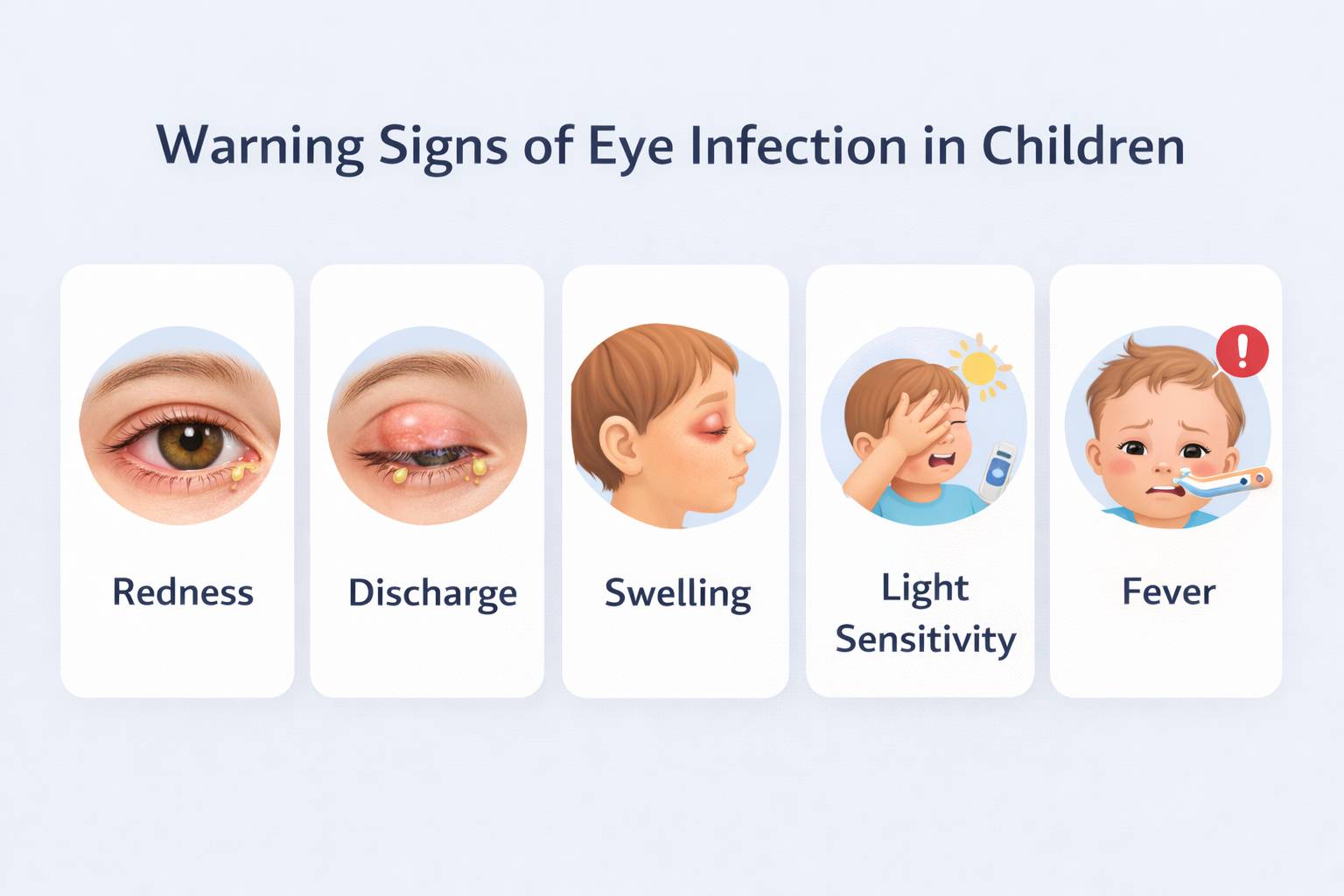
Given that children may not be able to clearly communicate their symptoms, parents are expected to monitor these potential symptoms of eye infections.
- Discomfort
- Rising concerns regarding possible infection.
- A lack of excitement and overall disinterest
- Uncharacteristic exhaustion.
- Unclear responsiveness or lack of eye contact.
- Dimming sight, blurriness.
- Burning.
- Weakness or low energy and light sensitivity.
- Fluid discharges and persistent eye watering.
- Lumpy, sore eyelids.
- Sudden fever, signifying possible infections
If symptoms have not improved within one to two days, please reach out to a child eye doctor immediately.
Medical Treatments for Kids' Eye Infections
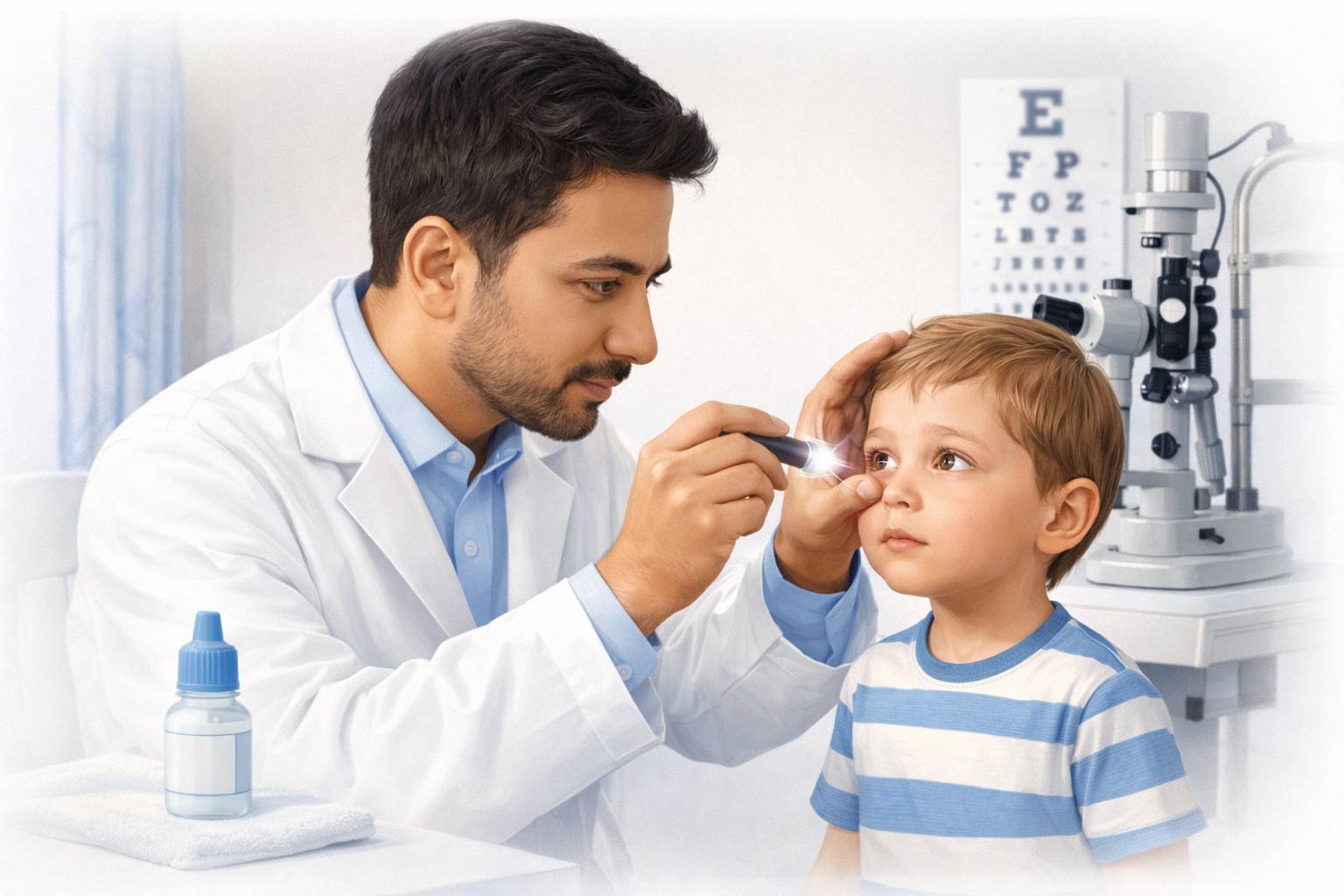
Correct treatment for eye infections is determined by the cause of the infection:
1. Eye Drops/Ointments with Antibiotics
Antibiotic ointments and drops have been prescribed to patients concerning eye infections, including sty, conjunctivitis, and blepharitis. These ointments cure the infection by removing the harmful bacteria. These medications also relieve inflammation around the eye, and by following your doctor’s prescription, you will notice that the infection will not spread to others around the eye. You will also notice a relief that is more than other recent medications.
2. Antiviral Medication
Antiviral medications, taken orally or through drops, are used by doctor’s prescription for eye infections such as keratitis and severe viral conjunctivitis. These medications will help control the virus and mitigate the virus symptoms while also reducing the chances of getting complications that could damage the cornea and/or retina. Early treatment is very required because viral infections will worsen when proper medical guidance is not followed and because they do not respond to antibiotics.
3. Antihistamine Eye Drops
Antihistamine eye drops work for eye allergies caused by pollen, dust, and pets. These allergens cause environmental allergies and by removing the allergic responses of the body, symptoms of the allergies will be reduced. These symptoms include increased blood flow to the eye(which can cause eye allergies) and the eye getting itchy and watery. These drops are also very useful for quick eye comfort and running and pollen allergies. Recurrent use will also prevent more severe symptoms.
4. Warm Compresses
Blocked tear ducts and styes benefit greatly from warm heat packs, which unstuck oil glands. Heating packs prevent and decrease swelling, circulate blood, and stimulate drainage to make healing happen even faster. Heating packs also draw out solidified filth from the eyelid compartment, which makes discomfort go away. Use the heat packs 10–15 minutes 3-4 times a day for even faster healing.
5. Lubricating Eye Drops
Hydrating eye or artificial tear drops relieve the discomfort of itchy, irritated, and/or burning anything lodged in the eye. They're very helpful to keep the surface of the eye moist. Screen workers, or anyone in an environment where it's generally dry, should use these throughout the day to maintain moisture. Prevent eye strain and discomfort with a routine. Hydrating eye drops also keep the eye moist and help it heal.
6. Eyelid Cleansing
To manage blepharitis, which is an inflammation of the eyelid caused by a bacterial infection and oil clogs, it is necessary to cleanse the eyelids. Using wipeable medications, or even just baby shampoo and water, is an easy way to clean away oil, debris, and irritants to lower infection risks. Cleaning the eyelids allows the margins of the lids to be healthy, enriching the lubrication of tears and easing the symptoms of blepharitis by stopping crusting and redness.
7. Surgery (Rarely Required)
Though surgery is the last option taken, it is considered when one has chronic tear duct blockages, repeating chalazia, or serious infections that do not respond to medication. These procedures enable the proper drainage of tears, remove cysts, and minimize the chances of complications. These interventions are usually short and effective to restore comfort, clear vision, and overall eye health to a state of relief for the long term.
It is important to visit eye specialists so children can be treated for eye disease and infections with the appropriate medical care.
Safe Home Care for Mild Eye Infections
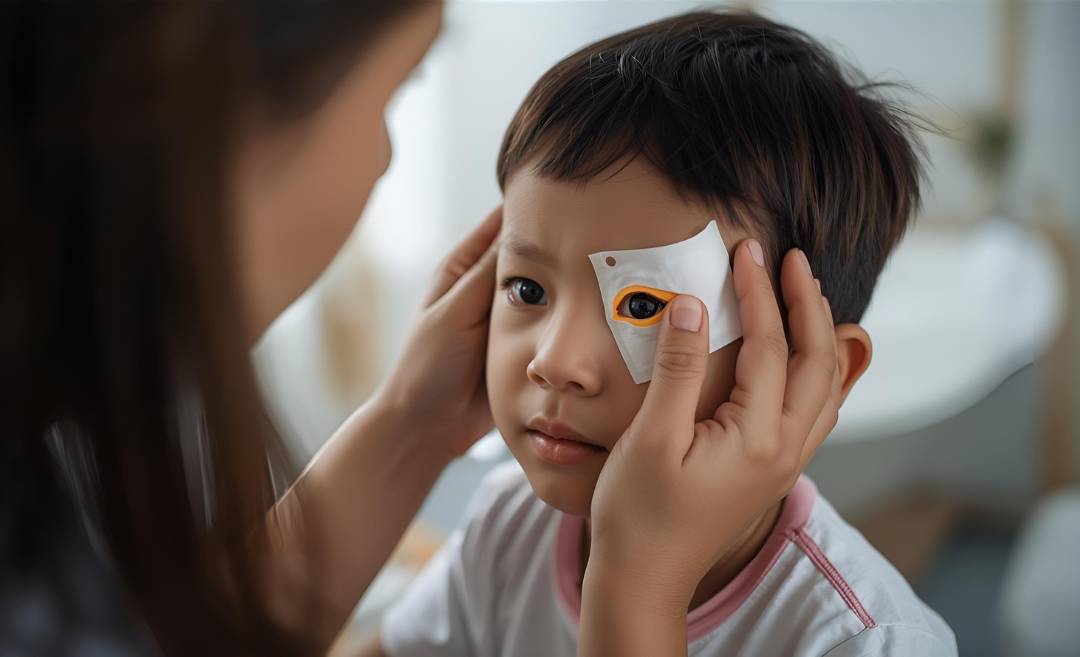
Even though some mild infections need to be treated by professionals, some home treatments for eye infections are:
- Swelling can be reduced by applying a warm compress.
- Eyelids can be cleaned, at this point, with cotton pads.
- Eyes can be rinsed with sterile saline.
- The eyes should be left untouched and should be kept clean.
- For each new day, all pillowcases, towels, and washcloths should be changed.
- Children stay home and are not sent to school until they are symptomatically better.
Important: If there are infections that persist, home treatment should never be a substitute for antibiotics, and professional medical attention should be sought.
When Eye Infections Become Serious
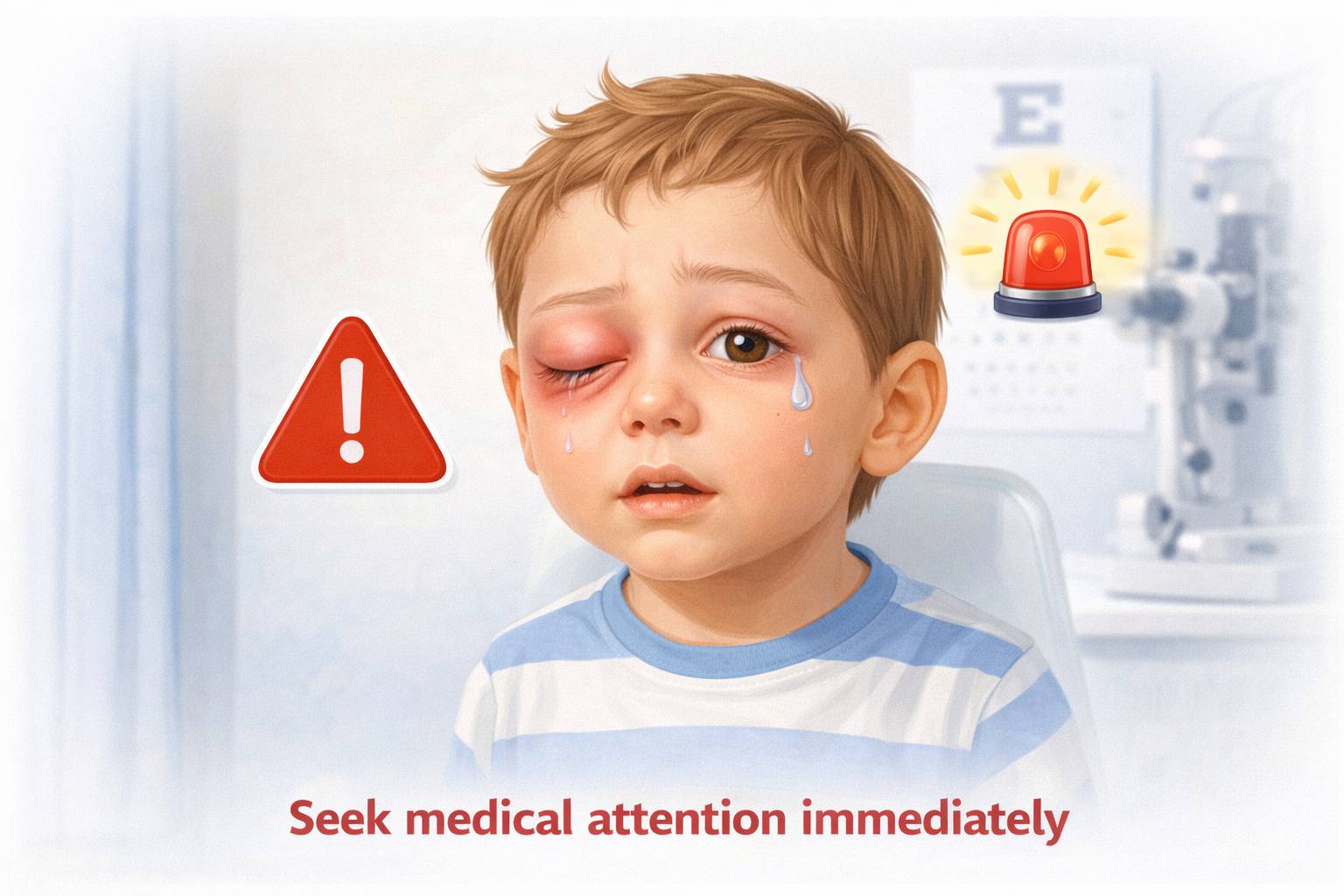
Be on the lookout for the danger signs listed below.
- Certain and sudden vision loss
- Overly sensitive to light.
- Severe and intense pain in the eye.
- Rapid and severe swelling
- The eyes are bulging.
- The eye has extreme redness.
- The child has not been able to open the eye.
- There is eye swelling along with a fever.
If any of these signs are seen, the child needs to be seen immediately by a professional pediatric ophthalmologist.
Importance of Pediatric Eye Care
Pediatric eye care involves the diagnosis and management of eye conditions and diseases in children, and how those infectious conditions impact the vision of the children and their potential to develop vision-related difficulties in the future. In such cases, pediatric ophthalmologists address the fact that children’s Eyes have their own unique set of challenges when they become infected from a regulatory and functional standpoint. In such cases, it is vital to offer care that is streamlined to children so that they can get proper care that is aimed at safe, uncomplicated recovery and that avoids chronic issues such as amblyopia, refractive errors and so on.
Also Read: Types of Squint (Strabismus): Symptoms & Causes
Dr. Digvijay Singh: Trusted Pediatric Ophthalmologist
Of all conditions, eye infection in kids needs to be diagnosed and treated as early as possible. Dr. Digivijay Singh is a well-respected pediatric ophthalmologist specialising in all aspects of children's eye health, including infection, allergic conditions of the eyes, blocked tear ducts, styes and more. Dr. Singh is skilled in providing age-appropriate and condition-appropriate gentle care and accurate treatment. Having trained in the management of both simple and more complicated pediatric eye problems, Dr. Singh is able to assist parents in all aspects of the management, including treatment, prevention, and protection of the child's vision. In the case of Dr. Digvijay Singh who has been a pediatric ophthalmologist for many years, we are able to assist in the safe recovery of children with severe eye infections and reduce the risk of complications.
Conclusion
While common, parental neglect of early symptoms can lead to serious complications in children. Knowing the different symptoms of eye infection, various kinds of eye infections, and the need to get medical help in a timely manner to preserve a child’s eyesight is vital. A home treatment for eye infection is appropriate for a mild infection; if symptoms are severe or concerning, you need to see a doctor.
Risk can be minimised through economic behaviours (practising hygiene and timely intervention) and knowing the causes of eye infections. If you have doubts about how to cure an eye infection in a child safely, you can contact a pediatric ophthalmologist. Dr. Digvijay Singh is one of the specialists who provides an accurate diagnosis and safe vision treatment.
FAQs About Eye Infection in Children
Q1. How is an eye infection different from simple eye irritation?
Ans. Eye infections involve bacteria or viruses and cause persistent redness, discharge, pain, and swelling, unlike temporary irritation from dust or allergies.
Q2. When should parents seek urgent care?
Ans. If there is severe pain, blurred vision, fever, heavy discharge, or inability to open the eye, immediate medical attention is needed.
Q3. What causes repeated eye infections in children?
Ans. Poor hygiene, allergies, blocked tear ducts, and exposure to infected individuals are common causes.
Q4. Are home remedies safe?
Ans. Warm compresses and gentle cleaning are safe, but avoid unverified remedies. Persistent symptoms need medical treatment.
Q5. How can eye infections be prevented?
Ans. Encourage handwashing, avoid eye rubbing, don’t share towels, and manage allergies early.
![DigvijayProfile[1]](https://drdigvijaysingh.com/wp-content/uploads/2017/11/DigvijayProfile1.jpg)

Recent Comments