Finding the right expert for complex vision and nerve problems can feel tiring, and many people look for guidance they can trust. Dr. Digvijay Singh brings long years of focused work in this field and gives patients calm and clear direction. His approach stays rooted in careful study, steady judgment, and deep clinical skill that helps many families.

What Is Neuro-Ophthalmology?
Neuro ophthalmology deals with eye problems that come from the brain, nerves, or muscles. These issues often cause sudden vision changes that confuse patients. A trained specialist studies both eye function and nerve pathways to find the real cause. People reach out when common tests do not explain their symptoms.
How the Eye and Brain Work Together
The eyes carry pictures, but the brain helps us make sense of them. When the signal gets disturbed at any point, vision may turn blurry or double. In such moments, many people search for support and often look for a neuro ophthalmologist near me to understand why these changes happen and what steps they need next.
When Nerve Signals Slow Down
Sometimes nerve messages move more slowly due to swelling or pressure. This can lead to dim vision, headaches, or sudden loss of sight. These signs need prompt medical attention. People in large cities sometimes look for a neuro ophthalmologist in Delhi when symptoms refuse to settle or keep returning without a clear reason.
Understanding Muscle Control Around the Eyes
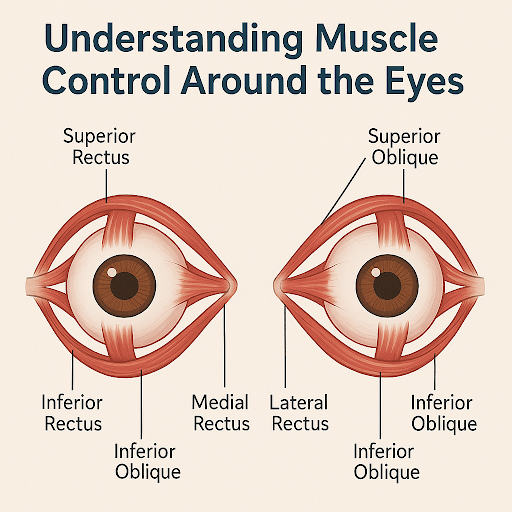
The small muscles around the eyes depend on steady nerve support. When these nerves struggle, the eyes may not align well. Patients may see two moving images, which can feel frightening at times. In such moments, they try to reach a best neuro ophthalmologist near me to look for help that feels steady and informed.
Why Timely Diagnosis Matters
A clear and early diagnosis brings direction and avoids delays that may harm the eye or nerve further. Sudden symptoms need attention as they may point toward deeper concerns. Many people choose to visit neuro ophthalmology doctors near me for detailed testing when routine checks fail to explain the changes they notice every day.
Advanced Neuro-Ophthalmology Care by Dr. Digvijay Singh
Dr. Digvijay Singh brings thoughtful care to people dealing with nerve-related vision issues. His training and wide experience help him see patterns others may miss. He studies each case with patience and attention. Families often feel reassured when he explains problems in clear and steady words.
He is a national level authority in the field of neuro-ophthalmology and has been part of many committees making guidelines for managing optic nerve disorders. He is also a governing body member of the Indian Neuro-ophthalmology Society.
-
His Training and Background
Dr. Digvijay Singh spent many years studying eye diseases and nerve-related conditions. He has worked with children and adults who face complex visual issues. His methods follow careful steps and structured tests. Many patients prefer guidance from a neuro eye doctor near me, especially when the condition needs calm handling and steady review over regular visits.
-
Approach to Difficult Cases
Every difficult case demands clarity. Dr. Digvijay Singh listens to each patient and studies their history. He checks how symptoms began and how they changed over time. His judgment grows from long years of focused practice. These qualities draw people who search for the best neuro ophthalmologist in Gurgaon, for answers that take the full picture into account.
-
Focus on Nerve-Related Disorders
Dr. Digvijay Singh continues to work deeply with nerve-based eye problems and their many forms. His method stays grounded in structured testing and gentle communication. Treatment often needs consistency, so patients feel more secure when guided by someone who understands the fine details. Many look for a neuro ophthalmologist in Gurgaon when symptoms appear sudden and confusing.
-
Guidance for Long-Term Eye Care
Some nerve-related issues need long follow-ups. Dr. Digvijay Singh explains the steps and the expected course so patients stay informed. He uses simple language that people understand. When ongoing care becomes necessary, some families look for a pediatric neuro ophthalmologist near me to keep their child’s eye health stable and supported through regular review.
Get a detailed evaluation and personalized treatment plan from Dr. Digvijay Singh, Gurgaon’s trusted Neuro-Ophthalmology specialist.
To Book an Appointment
Common Neuro-Ophthalmology Conditions We Treat
Neuro-ophthalmic problems come in many forms and affect vision in different ways. Some appear suddenly, while others grow slowly. Early symptoms may seem mild but later turn serious. Careful testing helps the doctor find the cause. Treatment then becomes more focused and brings more clarity to the patient.
-
Optic Nerve Disorders
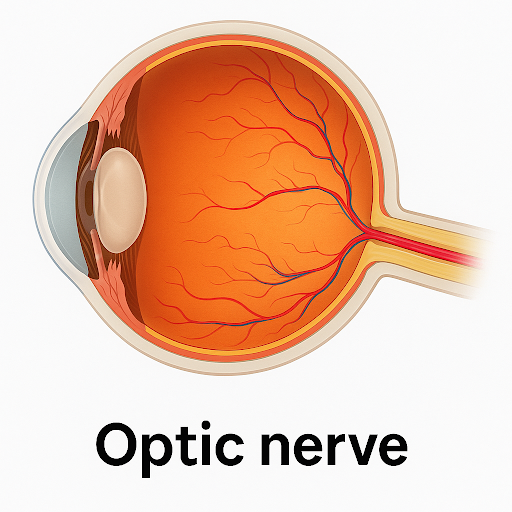
The optic nerve disease carries signals from the eye to the brain. When it becomes swollen or damaged, vision may fade. Pain with eye movement can sometimes appear, too. Many people visit a neuro ophthalmology clinic near me when these changes strike quickly, because they want to understand the severity and the next steps.
-
Double Vision Issues
Double vision can make daily life difficult. It may come from nerve weakness, muscle imbalance, or brain-related conditions. Each cause needs different care, so proper diagnosis matters. When symptoms feel unpredictable, people often search for the best neuro ophthalmologist in Delhi to understand the reasons behind the eye movement or alignment changes they experience each day.
-
Sudden Vision Loss
Losing vision suddenly can frighten anyone. Some cases come from nerve swelling, while others come from blood supply issues. Quick action is important so the doctor can examine the cause. In many situations, the right tests bring direction and help patients move toward steady improvement with clarity and reassurance.
-
Brain-Related Visual Changes
Problems in certain parts of the brain may disturb vision even when the eye itself looks healthy. Patients may see missing areas, distorted lines, or shifting patterns. These concerns need careful study through imaging and nerve tests. Early evaluation can bring better outcomes and guide the treatment path with more confidence.
Treatment Options for pediatric neuro ophthalmologist Conditions
Children with nerve-related eye issues need careful and gentle care. Their symptoms may look small at first, but can grow with time. Dr. Digvijay Singh studies each case thoroughly to find the safest plan. Parents feel more settled when someone explains each step in words that feel simple and clear.
-
Child-Focused Eye Exams
Children often struggle to describe what they see. Dr. Digvijay Singh uses tests that match their age and comfort. He watches their reactions closely to understand what troubles them. Many parents look for a neuro ophthalmologist near me when they notice their child squinting or tilting the head to fix their sight during daily tasks.
-
Treatment for Nerve-Based Eye Movement Issues
Some children face eye movement problems that stem from nerve weakness. These issues can affect learning and focus. Dr. Digvijay Singh studies how the eyes shift and whether the nerves send strong signals. When parents feel unsure, they sometimes seek a neuro ophthalmologist in Delhi to guide them with structured tests and steady explanations that feel clear.
-
Care for Childhood Optic Nerve Concerns
Childhood optic nerve problems may begin with blurry spots or dim vision. Early care helps protect long-term sight. Dr. Digvijay Singh monitors children over time so changes are caught early. Some families try to find the best neuro ophthalmologist near me when schoolwork becomes harder because the child cannot see comfortably or clearly.
-
Plans for Long-Term Follow-Up
Children need regular checks when nerve-related issues do not settle quickly. Follow-ups help watch for improvements or new concerns. This routine builds stability for the family. Some parents search for neuro ophthalmology doctors near me so they can stay close to home while keeping steady contact with a doctor who understands childhood eye patterns well.
Signs You Need to See a Neuro-Ophthalmologist
Certain symptoms should not be ignored. Sudden vision changes, double images, or unexplained headaches may come from nerve-related causes. These concerns often need deeper study. Early evaluation helps protect sight and prevents delays that may complicate recovery. A specialist can find reasons that routine checks may miss.
-
Sudden Blurring or Dimming
Blurred vision that appears without warning can point toward nerve swelling or other hidden issues. This change may come with discomfort or headaches. When symptoms do not settle, many adults look for a neuro eye doctor near me to rule out serious concerns and begin the right tests before the condition worsens.
-
Persistent Headaches with Eye Problems
Headaches that pair with visual trouble can indicate deeper concerns. If reading becomes hard or bright light feels painful, nerve-related causes may be involved. These signs need careful study. At such times, some people try to visit a neuro ophthalmologist best doctor in Gurgaon, when common medicines or glasses fail to bring relief.
-
Double Vision or Eye Misalignment
Seeing two images may happen when the eyes stop moving together. This may come from nerve damage or muscle imbalance. The longer it stays untreated, the more confusing daily tasks become. People sometimes look for a neuro ophthalmologist in Gurgaon when the symptoms disrupt driving or reading and raise concerns.
-
Vision Loss After Head Injury
Head injuries can disturb the nerve pathways that support vision. Patients may see shadows, blind spots, or flickering patterns. These changes should be checked quickly because early care often improves the outcome. Many families look for a pediatric neuro ophthalmologist near me when a child shows signs of vision trouble after a fall or accident.
Why Choose Dr. Digvijay Singh for Neuro-Ophthalmologists Treatment
Dr. Digvijay Singh brings a thoughtful and patient-first approach to this complex field. He is an authority figure in the field of neuro-ophthalmology. He studies symptoms layer by layer and keeps communication simple. His long experience helps him guide families through confusing situations. Each treatment path stays focused on the patient’s needs and long-term visual comfort.
-
Experience in Complex Cases
Complex cases demand calm judgment. Dr. Digvijay Singh has seen thousands of patients with nerve-related eye issues and understands the patterns these problems follow. Families feel supported when he explains the steps clearly. Many try to find a neuro ophthalmology clinic near me for ongoing care and structured follow-ups under his guidance.
-
Clear and Steady Communication
Patients often feel anxious when vision changes without warning. Dr. Digvijay Singh speaks in clear language, making sure they understand the cause and treatment. He avoids complex terms unless necessary. Some patients search for the best neuro ophthalmologist in Delhi so they can trust the guidance they receive and stay informed through each stage of care.
-
A Careful Diagnostic Method
Diagnosis needs more than routine tests. Dr. Digvijay Singh combines clinical findings with detailed imaging and nerve studies. This careful method helps uncover hidden causes. People with unpredictable symptoms often try to reach a neuro ophthalmologist near me so they can get clarity early rather than wait for symptoms to grow.
-
Support for Both Adults and Children
Families want one skilled doctor who understands both adult and child eye concerns. Dr. Digvijay Singh works with patients across all age groups and adjusts his approach based on comfort and need. Parents sometimes look for a neuro ophthalmologist in Delhi when they want consistent care for themselves and their children in one place.
Schedule a Consultation Today with Dr. Digvijay Singh for Neuro-Ophthalmologists Specialist in Delhi
People often delay nerve-related eye checks, hoping symptoms will fade. Early care brings more stability and direction. Dr. Digvijay Singh guides patients through both urgent and long-term concerns with steady attention. Booking an appointment can be the first step toward clearer sight and better comfort in daily routines.
-
Easy Appointment Process
The appointment process remains simple and steady. Patients can share their symptoms, past reports, and concerns during the visit. Dr. Digvijay Singh studies each detail before planning tests. Some adults and children look for the best neuro ophthalmologist near me when symptoms feel confusing, and they need a clear start toward evaluation.
-
What to Expect During Your Visit
During the visit, Dr. Digvijay Singh checks visual strength, nerve signals, and eye movement. He listens to history carefully. Many people choose to visit a neuro ophthalmology doctor near me because they want to stay close while receiving a full review that studies symptoms from different angles.
-
Follow-Up and Continuing Care
Follow-up care helps track improvement and catch new changes. Dr. Digvijay Singh guides patients about home care, lifestyle adjustments, and warning signs to monitor. People sometimes seek a neuro eye doctor near me when they want a stable review and a doctor who pays attention to long-term patterns.
-
Getting Help When Symptoms Change Suddenly
Sudden symptoms need immediate attention. Sharp headaches, double images, or fast blurring should never be ignored. A quick visit helps prevent further damage. At such stressful times, families often search for a pediatric neuro ophthalmologist near me to make sure a trained specialist examines the issue without delay or confusion.
Why Choose Dr. Digvijay Singh for Neuro-Ophthalmology Treatment
Dr. Digvijay Singh brings a thoughtful, patient-first approach to the complex field of neuro-ophthalmology. He is a recognised authority in nerve-related eye disorders and is a governing body member of the Indian Neuro-Ophthalmology Society, reflecting his active role in advancing this specialty at a national level. He evaluates symptoms layer by layer, explains findings in simple language, and keeps every treatment plan focused on long-term visual comfort and patient confidence.
-
Experience in Complex Neuro-Ophthalmic Cases
Complex neuro-ophthalmic conditions demand calm judgement and deep clinical insight. Dr. Digvijay Singh has managed thousands of patients with optic nerve and neurological eye disorders. In addition to clinical practice, he serves as an Examiner for the Fellowship in Neuro-Ophthalmology conducted by the Collegium of the All India Ophthalmological Society, a role entrusted only to specialists with advanced expertise. Families feel reassured when he clearly explains each step and provides structured follow-ups for long-term care.
-
Clear and Steady Communication
Sudden vision changes often create anxiety and confusion. Dr. Digvijay Singh communicates in clear, practical terms so patients fully understand their diagnosis and treatment options. He avoids unnecessary medical jargon and ensures patients stay informed at every stage. Many people searching for the best neuro-ophthalmologist in Delhi value this clarity, as it helps them make confident decisions about their eye and nerve health.
-
A Careful and Detailed Diagnostic Method
Neuro-ophthalmic diagnosis requires more than routine eye tests. Dr. Digvijay Singh combines detailed clinical evaluation with advanced imaging and targeted nerve assessments to identify underlying causes accurately. This systematic approach helps detect conditions early and avoid delays in treatment. Patients with complex or unexplained symptoms often seek a neuro-ophthalmologist near me to gain clarity before problems progress.
-
Support for Both Adults and Children
Neuro-ophthalmic conditions affect patients of all ages. Dr. Digvijay Singh provides comprehensive care for both adults and children, adapting his approach based on age, comfort, and clinical need. Families appreciate having one experienced specialist who can manage ongoing care across life stages. Parents often look for a neuro-ophthalmologist in Delhi who can offer consistent, specialised care for themselves and their children under one roof.
FAQ: Common Questions You should Know Before Consult with Neuro-Ophthalmologist
Q.1 What are some diagnostic tests used in neuro-ophthalmology?
Neuro ophthalmology uses different tests to study how the eye and brain work together. A doctor may use visual field checks, imaging of the brain, or simple eye movement reviews. These tests help find the reason for changes in sight. The process often takes patience and quiet focus from patients.
Q.2 How often should I visit a low neuro-ophthalmologist?
A visit to a neuro ophthalmologist depends on your condition. Some people need close follow-up, while others return only when symptoms shift. Regular checks help watch for slow changes in vision and balance. The schedule is often shaped by your medical history and how steady your daily sight feels today.
Q.3 Can vision return after a neuro-ophthalmic condition?
Some people notice better sight after a neuro ophthalmic problem, though results are never the same for everyone. Recovery may move slowly, and it can depend on the cause. Treatment often aims to protect what remains. Small gains can carry meaning for daily tasks when handled with steady care and gentleness.
Q.4 What is optic neuritis?
Optic neuritis is swelling of the nerve that carries sight signals to the brain. People may feel pain around the eye or see faded colors. The condition often appears suddenly and can leave someone uneasy about their vision. Doctors watch it closely to guide healing and protect long-term sight.
Q.5 What causes neuro-ophthalmic disorders?
Neuro-ophthalmic disorders arise from many sources. Infection, immune shifts, injury, or pressure around the nerve may disturb the path between the eye and brain. Some causes arrive without warning, leaving a person unsure of the next step. Care teams study symptoms to choose a calm and steady plan forward.
Q.6 What are some common symptoms of neuro-ophthalmological conditions?
Common signs of neuro-ophthalmological conditions may include blurred sight, trouble with focus, or sudden light changes. Some people see double while others notice shifts in balance. These signs often build slowly, which can confuse daily tasks. Careful checks help shape a path that supports a steadier vision in the time ahead.
Q.7 What is the difference between an ophthalmologist and a neuro-ophthalmologist?
An ophthalmologist studies eye health in a wide scope, while a neuro-ophthalmologist reviews how the eye and brain share signals. Both support vision in their own way. People often seek a neurologist when common checks bring no clear answer for sight shifts that trouble daily tasks and routines.
Q.8 Do neuro-ophthalmologists perform surgeries?
Some neuro ophthalmologists perform surgery, though many focus on diagnosis and medical care. Their work often centers on conditions that join eye function with brain pathways. When surgery is needed, they may work with another eye surgeon. This shared approach helps guide steady care for people facing complex vision concerns.
![DigvijayProfile[1]](https://drdigvijaysingh.com/wp-content/uploads/2017/11/DigvijayProfile1.jpg)